

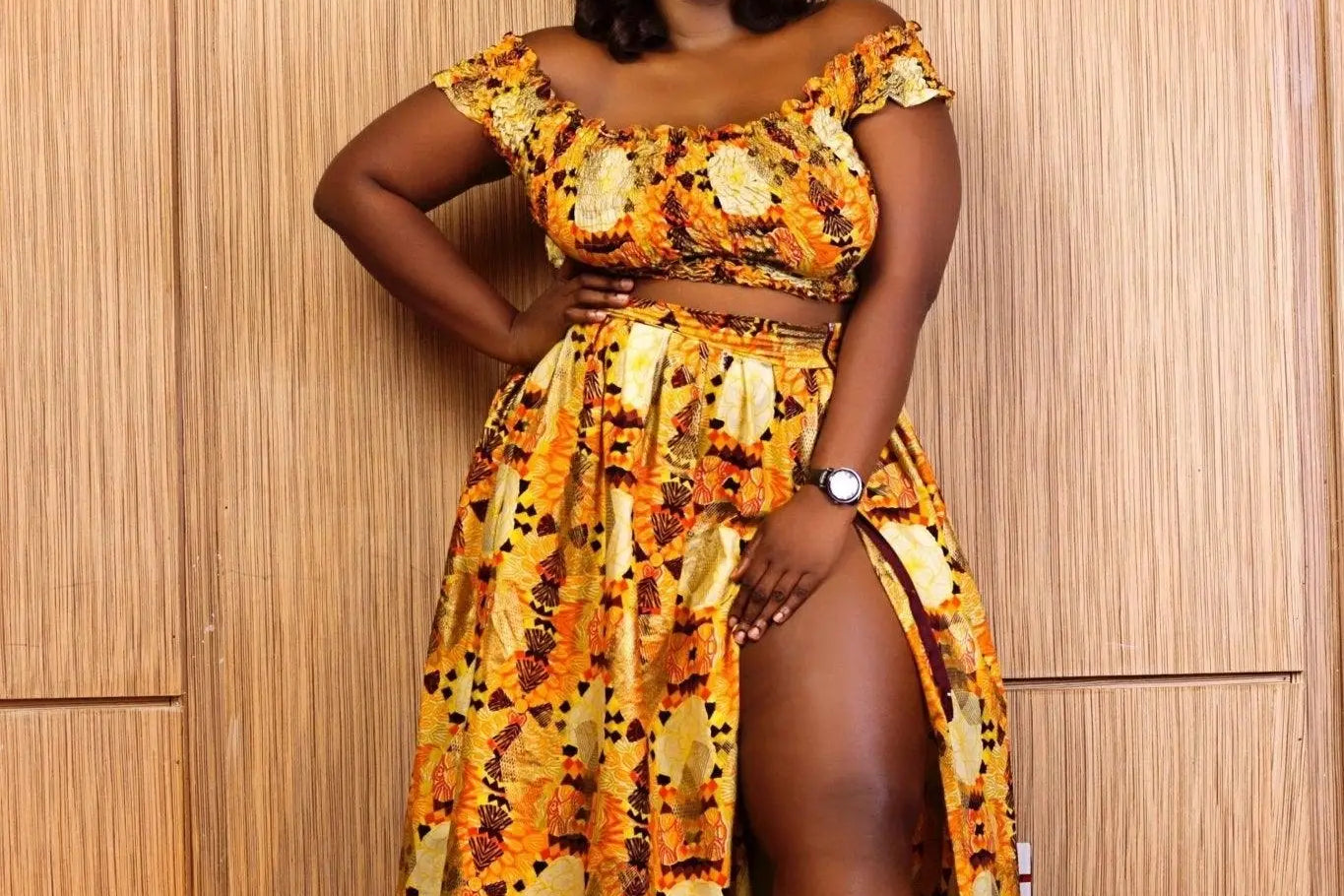
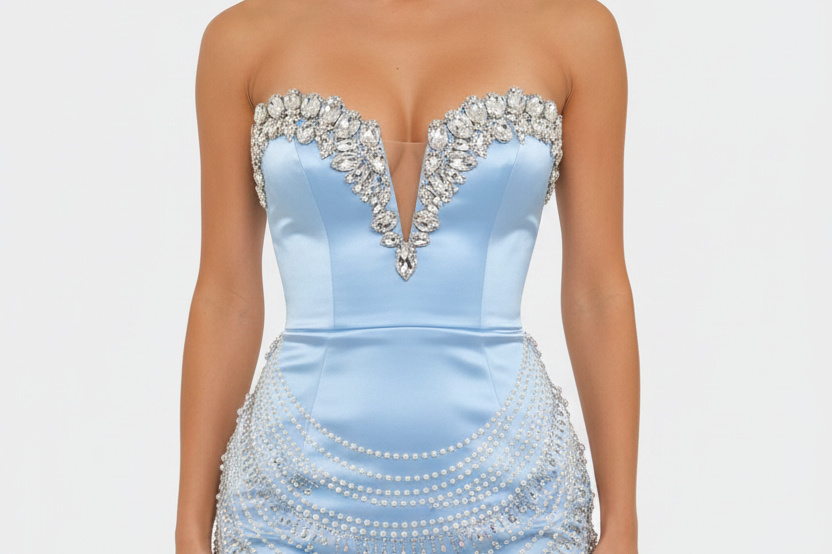
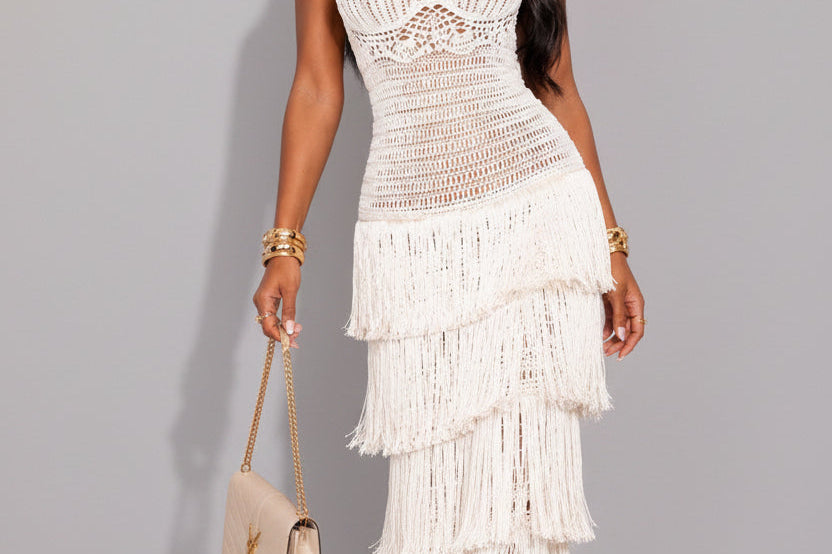
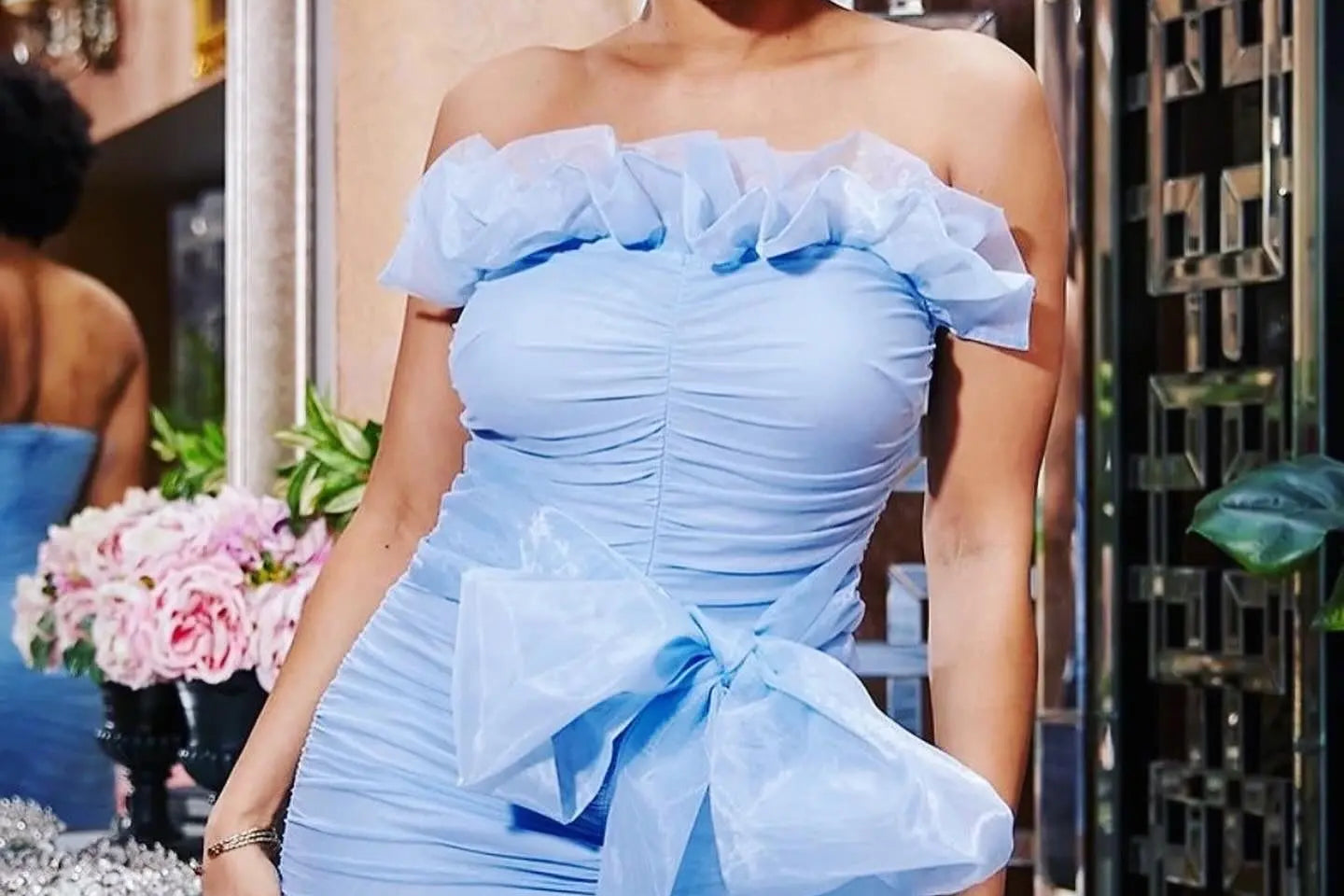



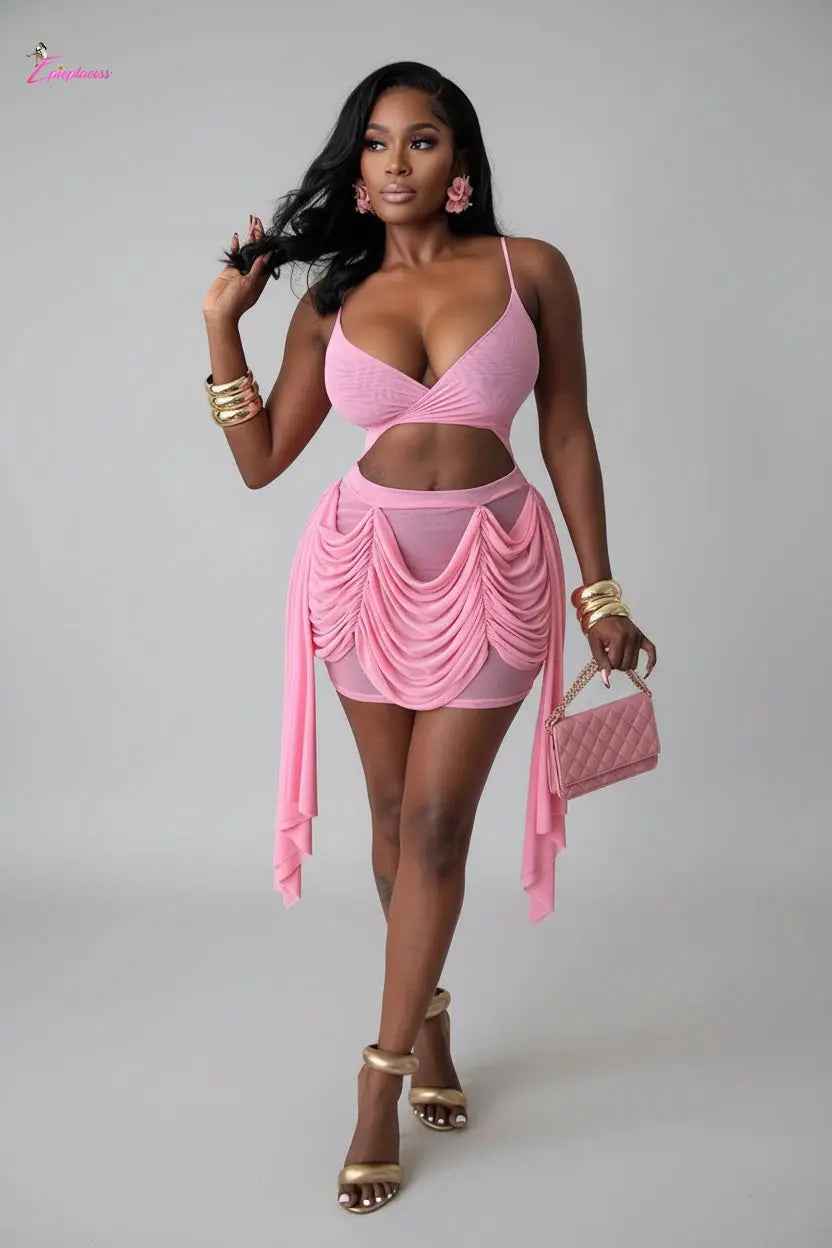

Formal dress code covers more ground than people expect - weddings, galas, proms, black-tie-optional dinners, and holiday parties can all fall under "formal," but the right dress for each isn't identical. Looking for tips specifically for prom or a school event? Our juniors formal attire guide covers that ground in more detail. This guide is built for formal dressing at any age and any type of formal event.
Reading the actual dress code
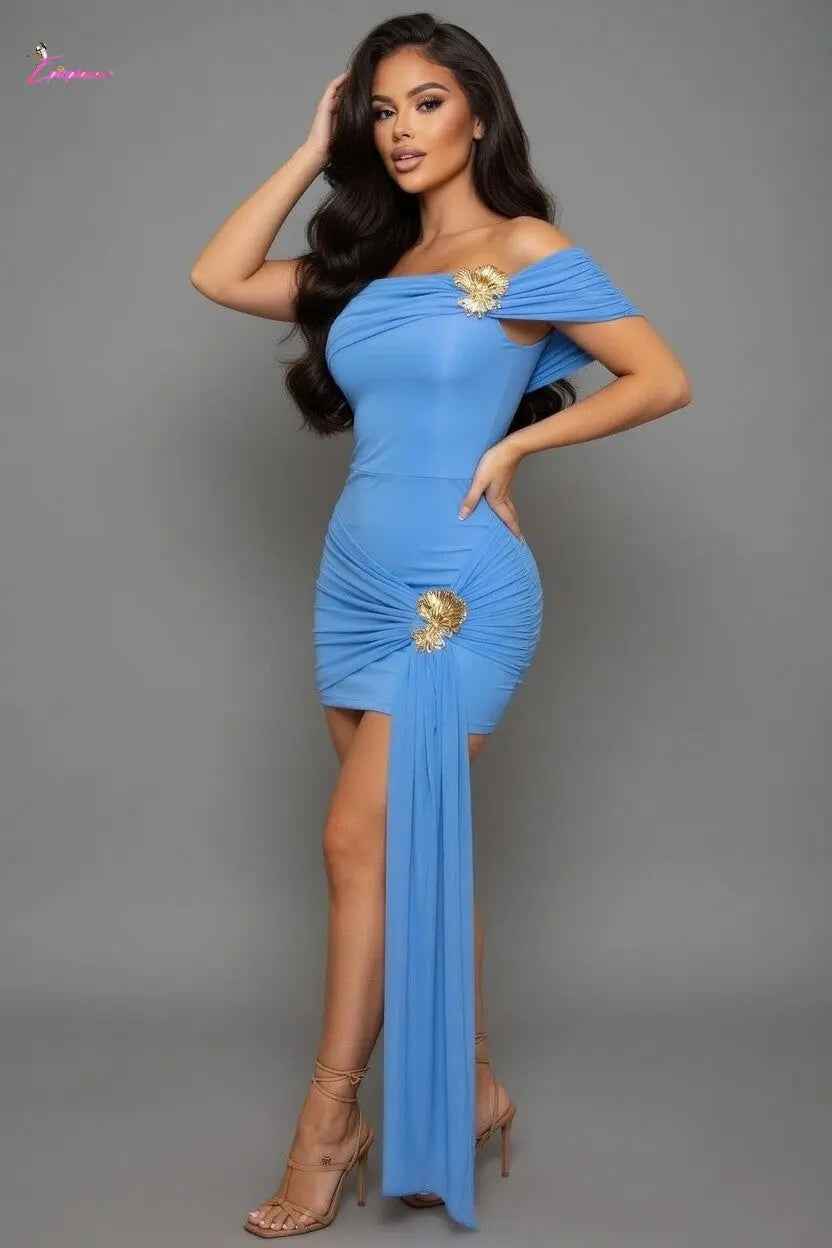
"Formal" and "black-tie" usually call for floor-length gowns or a very polished, elevated cocktail dress at minimum. "Formal, not black-tie" or "cocktail formal" leaves more room for a shorter, still-elevated dress. If the invitation is unclear, floor-length or a dressy midi is almost always a safe read - it's easier to feel slightly overdressed than underdressed at a formal event.
Choosing a silhouette
A-line and flowy gowns tend to be the most universally flattering formal silhouette and the most comfortable for a full evening of standing, dancing, and sitting through dinner. Fitted mermaid or column silhouettes create a striking, elegant line but can restrict movement more. A high-slit gown, like our High-Slit Satin Maxi Dress, gives you the drama of a floor-length gown while still allowing ease of movement thanks to the leg slit.
Fabric and detail for formal events
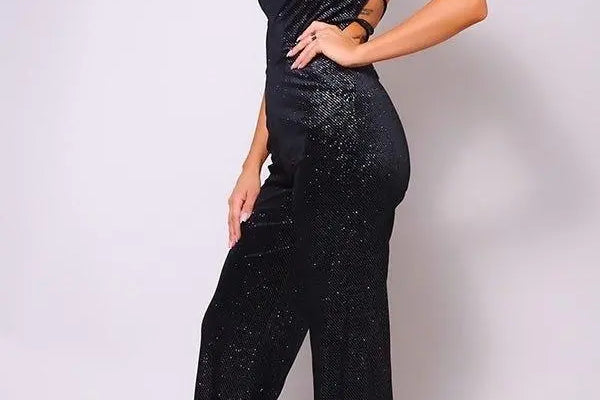
Satin, chiffon, and structured crepe are the classic formal fabrics - they photograph well and hold their shape through a long event. Sequins, beading, and metallic finishes add more visual impact for black-tie or evening events, while a cleaner satin or crepe silhouette works better for formal-but-understated occasions like a work gala or milestone dinner.
Color for formal dressing
Black remains the most versatile formal dress color and is almost never wrong. Jewel tones - emerald, deep red, sapphire - photograph beautifully and stand out at evening events. Pastels and lighter shades work well for daytime formal events like weddings, but check the invitation first, since some venues or hosts have specific color requests for guests.
Accessorizing formal dresses
Formal events call for a slightly more elevated hand with accessories than cocktail dressing - a clutch, statement earrings or a full jewelry set, and heels are the standard. Keep jewelry proportional to the neckline: a strapless or plunge dress can carry a bolder necklace, while a high neckline or heavily detailed bodice usually looks best with simpler jewelry so the two don't compete.