






Searching for sustainable fashion brands can feel overwhelming. One company highlights recycled fibers, another focuses on small-batch production, and another promotes repairs or resale. These efforts are different, and no single feature tells the entire story.
A practical approach is to define what matters to you, examine the evidence behind each claim, and choose clothing you will genuinely use. This guide focuses on shopping habits, wardrobe longevity, and the questions that can help you compare brands.
Start by Defining Your Priorities
Sustainable fashion is a broad idea. Before comparing companies, decide which issues are most important to you. Your priorities might include:
- Durable clothing that can be worn for years.
- Clear material and manufacturing information.
- Lower-waste or made-to-order production.
- Repair, resale, rental, or take-back programs.
- Verified fiber or processing standards.
- Reduced packaging or shipping impact.
A brand may perform strongly in one area and have more work to do in another. Clear priorities help you avoid treating sustainability like a simple yes-or-no label.
Ask for Evidence, Not Just Promises
Strong claims should answer basic questions: What changed? How much changed? Which products are included? How was the result measured? Who verified it?
Be careful with phrases such as better for the planet, conscious collection, green choice, or responsibly made when the company does not explain what those words mean. A detailed product page and a measurable progress report are more useful than a slogan.
Evaluate the Whole Garment
Fiber content is important, but it is not the only factor. Consider the garment as a complete product.
- Construction: Are seams, zippers, buttons, and lining made to last?
- Versatility: Can the item be styled for several settings?
- Comfort: Will you actually reach for it regularly?
- Care: Can you maintain it without complicated or unrealistic routines?
- Repairability: Could a tailor or repair service extend its life?
Use Cost Per Wear
Cost per wear is a simple way to think beyond the purchase price. A $100 item worn 50 times costs $2 per wear. A $30 item worn once costs $30 per wear.
This calculation does not prove that one garment has a lower environmental impact, but it encourages you to prioritize pieces that fit well, work with your wardrobe, and are likely to be worn repeatedly.
Build a Longer-Lasting Wardrobe
Shop Your Closet First
Before buying something new, check whether you already own a piece that serves the same purpose. Restyling existing clothing is usually the most immediate way to reduce unnecessary purchases.
Create Outfit Formulas
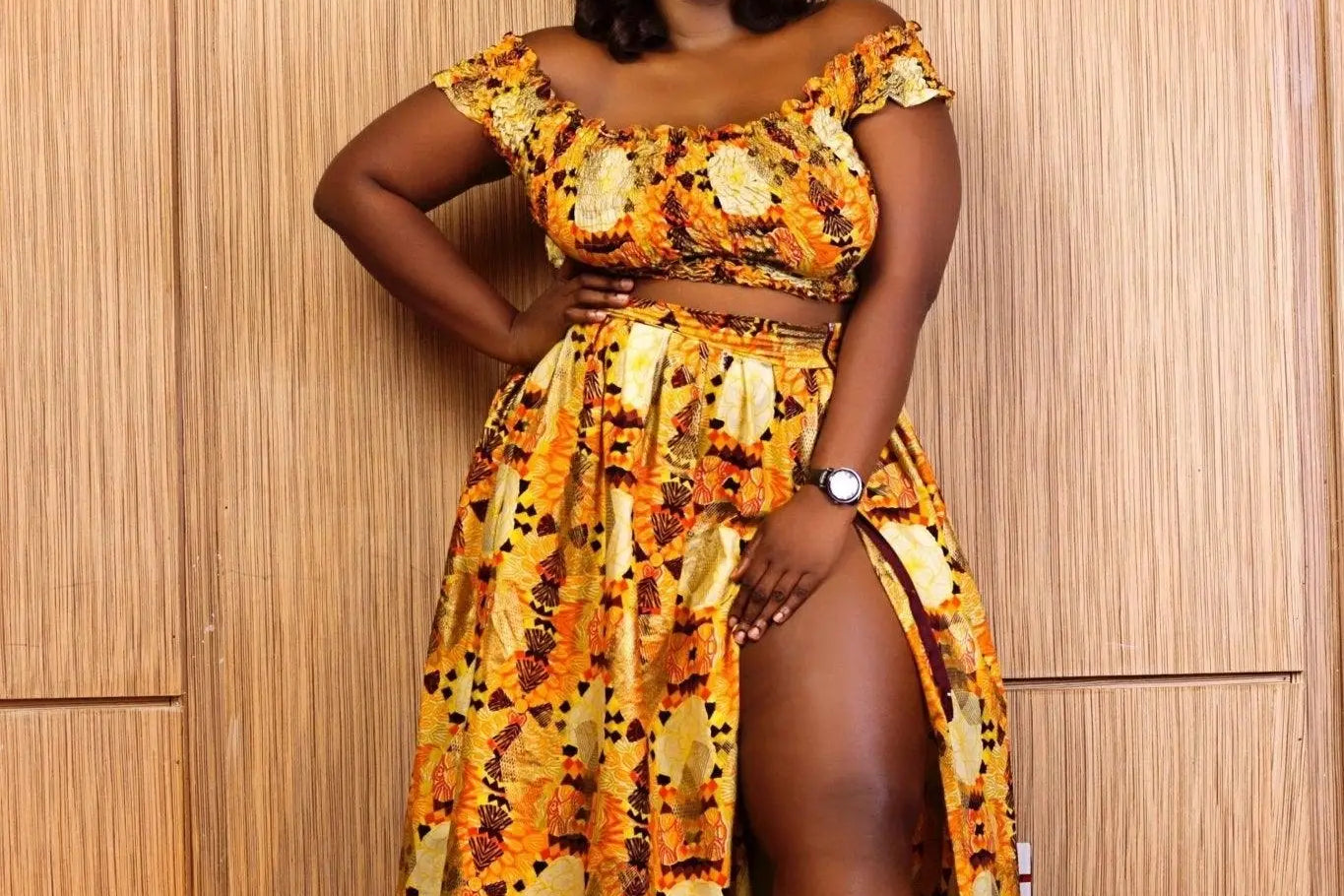
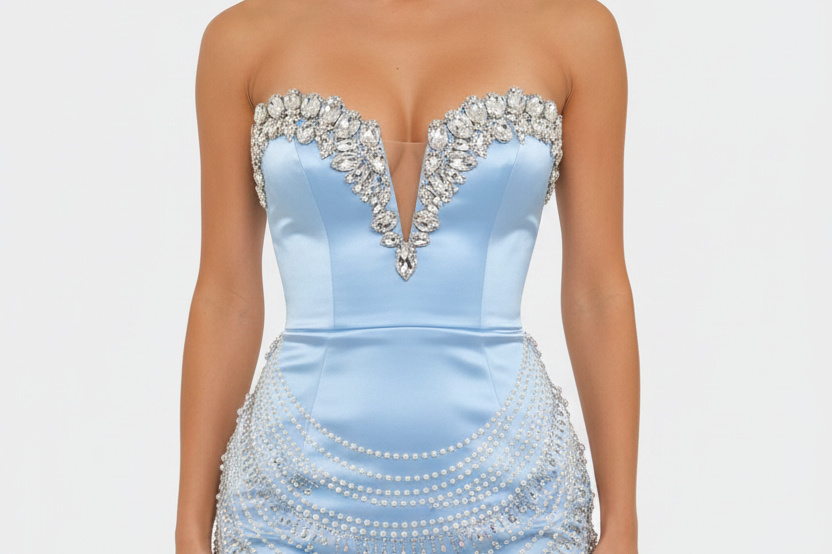
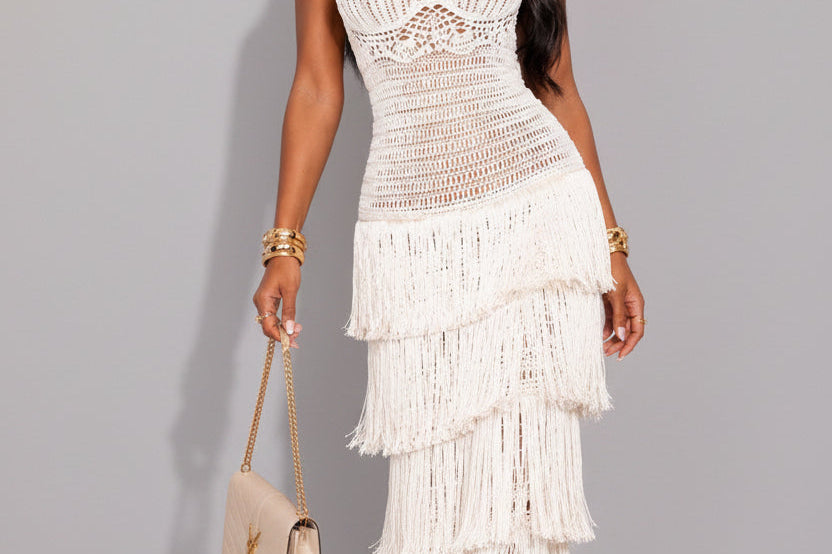
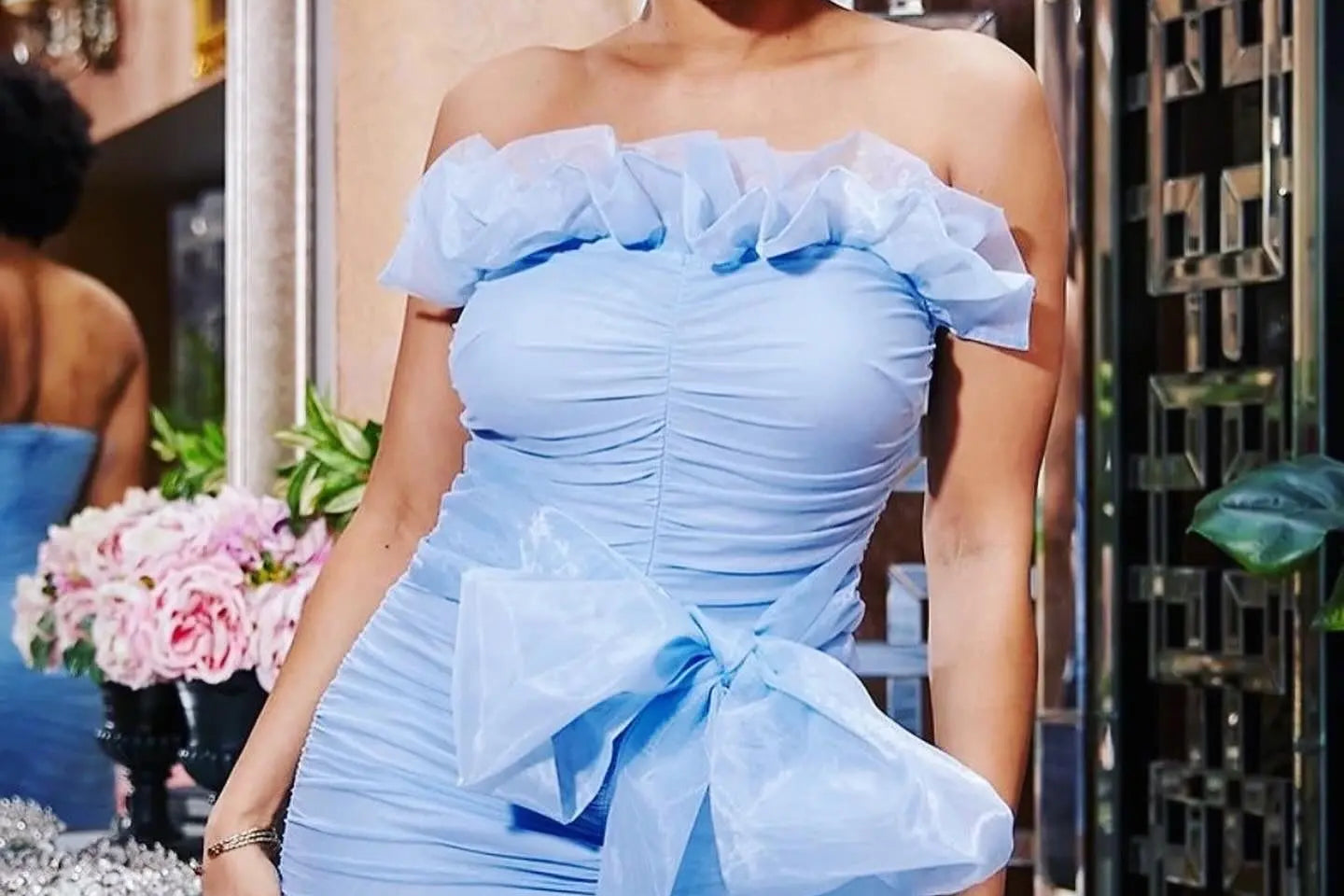
Identify combinations that work for your life, such as a midi dress with a jacket, a two piece set worn together or separately, or a statement mini dress with simple accessories. Outfit formulas help you recognize which new pieces will actually be useful.
Care for Clothing Correctly
Follow the care label, wash only when needed, use appropriate temperatures, and air dry when the garment allows it. Store delicate pieces carefully and address small repairs before the damage grows.
Use Tailoring and Repair
A hem adjustment, replaced zipper, reinforced seam, or altered waist can turn an unworn item into a wardrobe favorite. Local tailoring can extend the life of clothing that otherwise fits your style.
Compare Brand Programs Carefully
Repair, resale, rental, and take-back programs can support longer product use, but read the details. Ask whether the program is available in your area, whether it covers all products, who pays shipping, and what happens to collected clothing.
For take-back programs, look for a clear explanation of whether items are resold, donated, recycled, downcycled, or disposed of.
Certifications Can Help, but Context Matters
Third-party standards can provide evidence for certain materials or processes. However, each standard has a defined scope. A certification for one fiber, factory, or production step does not automatically apply to every product or every business practice.
Look for the name of the standard, the products it covers, and enough detail to confirm the claim.
Red Flags When Comparing Sustainable Fashion Brands
- Absolute claims with no qualifications.
- No dates, numbers, or product-specific details.
- A tiny capsule collection used to market the entire brand.
- Heavy focus on packaging with little production information.
- Goals announced without progress reports.
- Claims that cannot be traced to a source or standard.
A Seven-Question Shopping Test
- Do I need this item for a real purpose?
- Can I create at least three outfits with it?
- Does the size and silhouette suit how I dress?
- Is the material and care information clear?
- Does the brand support its claims with evidence?
- Can the garment be repaired or altered?
- Do I expect to wear it enough to justify the purchase?
Where Epicplacess Fits Into the Conversation
Epicplacess provides occasion-focused fashion and product information to help customers compare styles, measurements, and care needs. This article is an educational shopping guide and does not claim that Epicplacess or every product in the store qualifies under a specific sustainability standard. Shoppers should rely on clear, item-specific information when evaluating any environmental claim.
Frequently Asked Questions
Is expensive clothing automatically more sustainable?
No. Price alone does not prove material quality, working conditions, durability, or environmental performance. Evaluate the product and the evidence behind the brand's claims.
Is buying secondhand always the best option?
Secondhand shopping can extend a garment's useful life and reduce demand for a new item, but the best choice still depends on fit, condition, shipping, and whether you will use it.
Can trend-focused clothing be worn sustainably?
Your habits matter. Choose carefully, rewear pieces in different ways, care for them, repair them, and avoid treating clothing as disposable.
Final Takeaway
The most practical sustainable wardrobe is not built overnight. It grows through better questions, fewer impulse purchases, proper care, and clothing that earns a lasting place in your life. Look beyond labels and choose evidence, versatility, and long-term wear.